2021-12-18
Ali Majar
The forms of housing and the types of materials used in construction have evolved over thousands of years and on all continents to eventually adapt to the culture, climate, and sources of each region, including raw materials providing practical and effective architectural solutions.
The invention of dried clay bricks and their use in the construction of houses in different places, as they were found in Turkmenistan 6000-8000 B.C. and the civilization of the Mesopotamia 4000-5000 B.C. until some parts of the Great Wall of China were built with mud.
Benefits of clay architecture
Reduces the reliance on timber by almost half.
The use of domes reduces the use of wood for roofs to a minimum.
Local materials do not require extra transportation costs.
Chinese bricks are an ideal choice for thermal insulation from the outside.
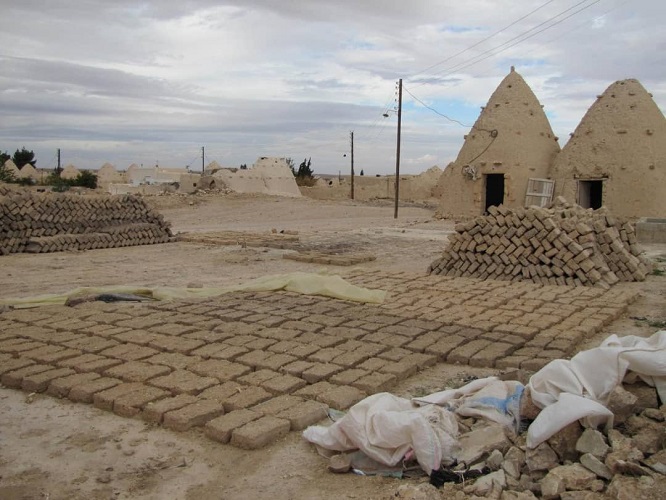
Sheikh Hilal village is an example of mud architecture.
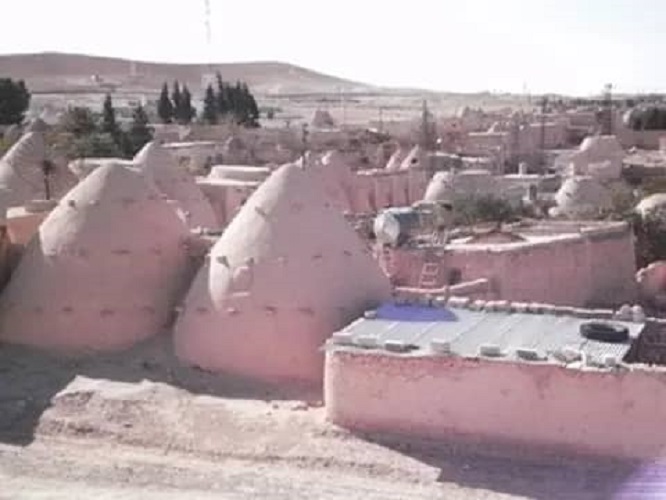
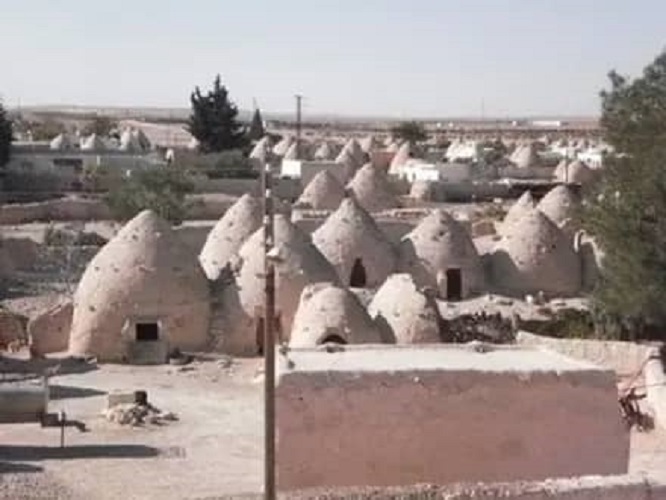
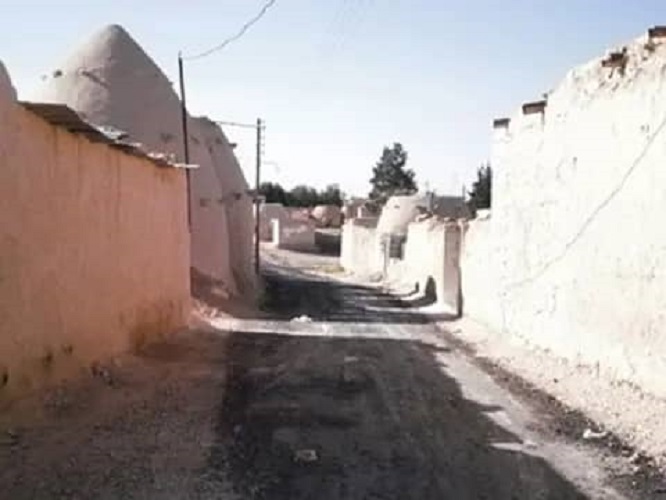
The village of Sheikh Hilal, which belongs to Hama city in Syria, is located in a desert area.
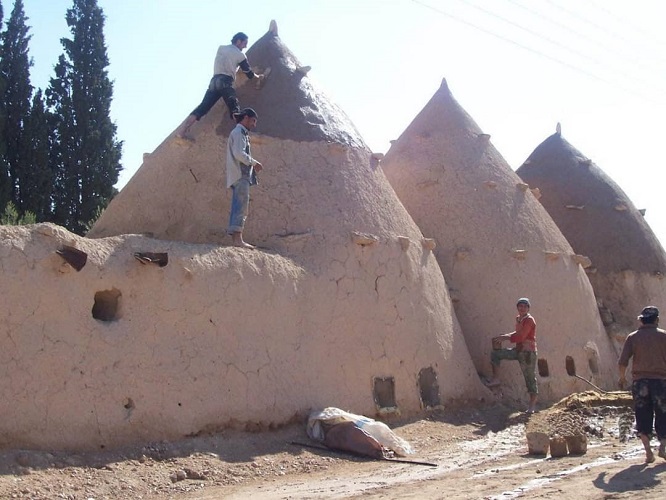
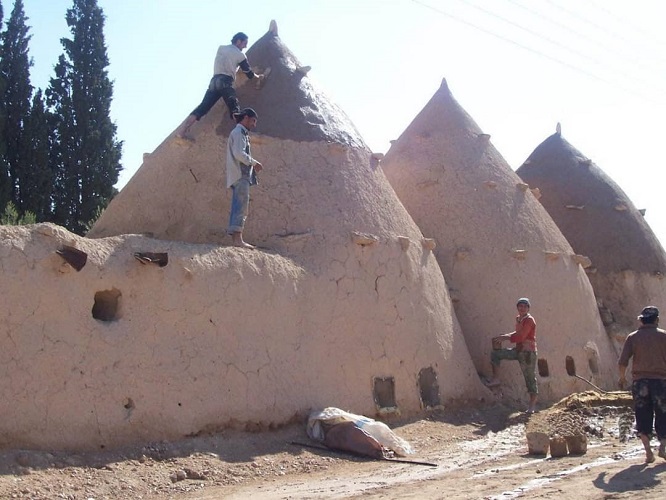
The simple dome dominates the shape of the building in the village, distinguished by its low base as the dome begins with a square base low and close to the ground level to move smoothly to the circular shape. Domes enjoy a good construction structure in addition to containing stone steps from the outside allowing the possibility of restoration and maintenance.
Since 2000, agriculture around the village has been banned, which necessitated the creation of an alternative for the residents of the village. The solution came by building distinctive mud domes, as 12 building units were restored, in addition to 6 bathrooms, so that the village was to receive tourists.
The thick and wide walls and small windows ensured that cold summer and warm winter vacuums were provided, and the project was implemented with local workforce and building materials (clay- straw- wood).
The mud building embodies the human relationship and spirit, its attachment to the place and the exploitation of all the natural resources surrounding it. We have become in need of such a building that provides energy and reduce construction costs in addition to the fact that this is a cultural heritage that humanity loves for its simplicity and beauty away from complexity.